
Local · Licensed · Insured
Pavers that look new again, and stay that way.
Paver cleaning, sealing, and restoration across Sarasota and Manatee County. Built for our sun, rain, and year-round algae.
No pressure, ever
Get a free paver sealing quote
A real local person looks at your pavers and gives you a firm written price. No obligation.
What we do
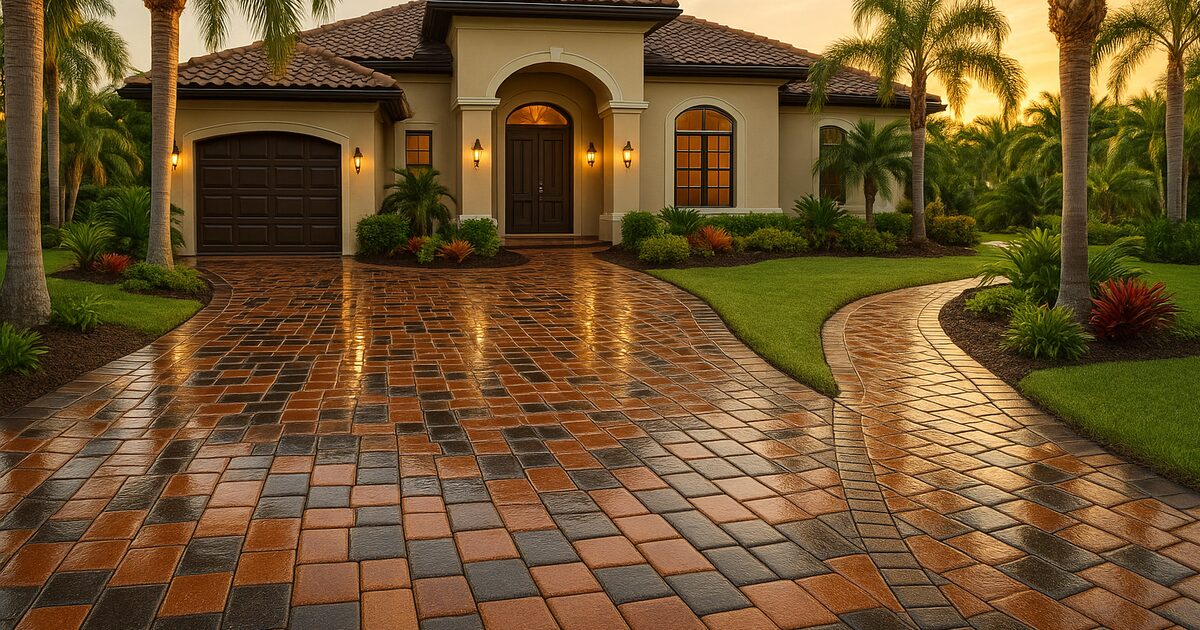
The finished look, done to last
Pavers and travertine take a beating on the Gulf coast - relentless sun fades the color, summer downpours wash out the joint sand, and year-round humidity feeds mold and algae. We clean, re-sand, and seal driveways, pool decks, lanais, and patios so they lock tight, shed stains, and get that rich, just-sealed look back. Local, licensed, and insured, with a firm written price before we start.
Our services
Everything your pavers need, from one local crew
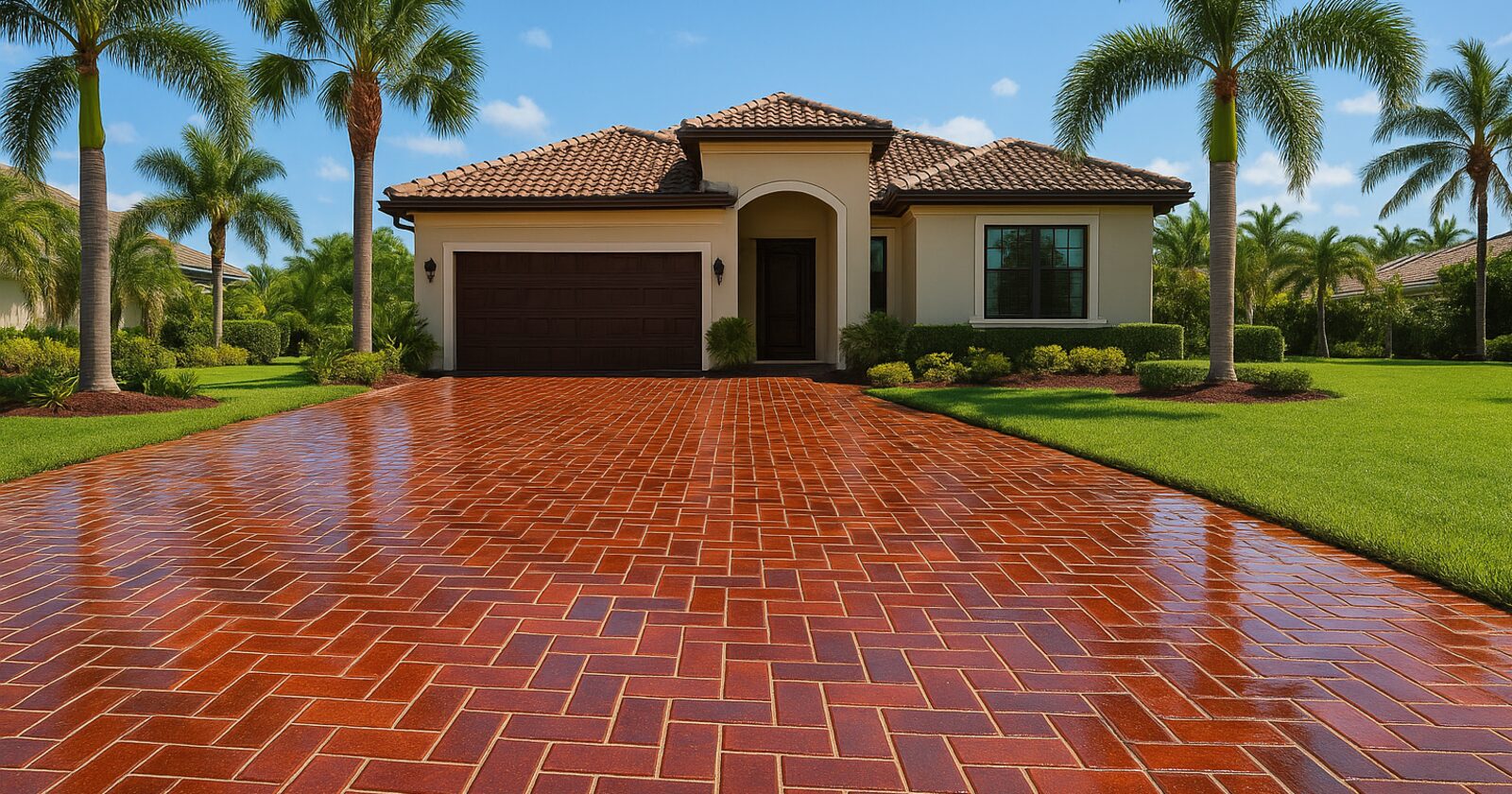
Paver Driveway Sealing
Clean, re-sand, and seal your paver driveway so the color comes back, the joints lock tight, and weeds and oil stains stop taking hold.
Learn more →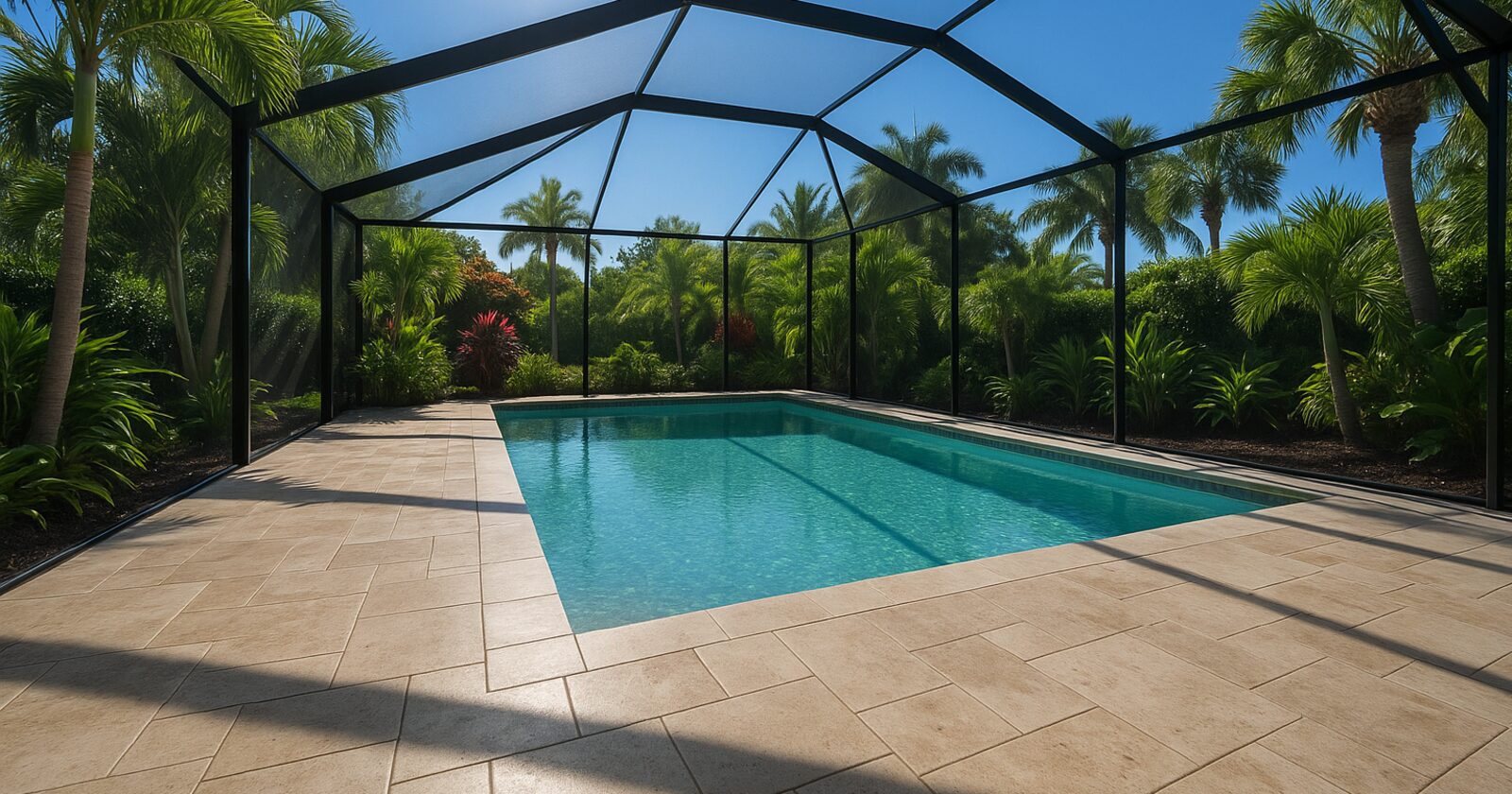
Pool Deck & Lanai Paver Sealing
Seal the pavers around your pool and lanai to stop algae, cut slip risk, and keep the deck cool and clean under bare feet.
Learn more →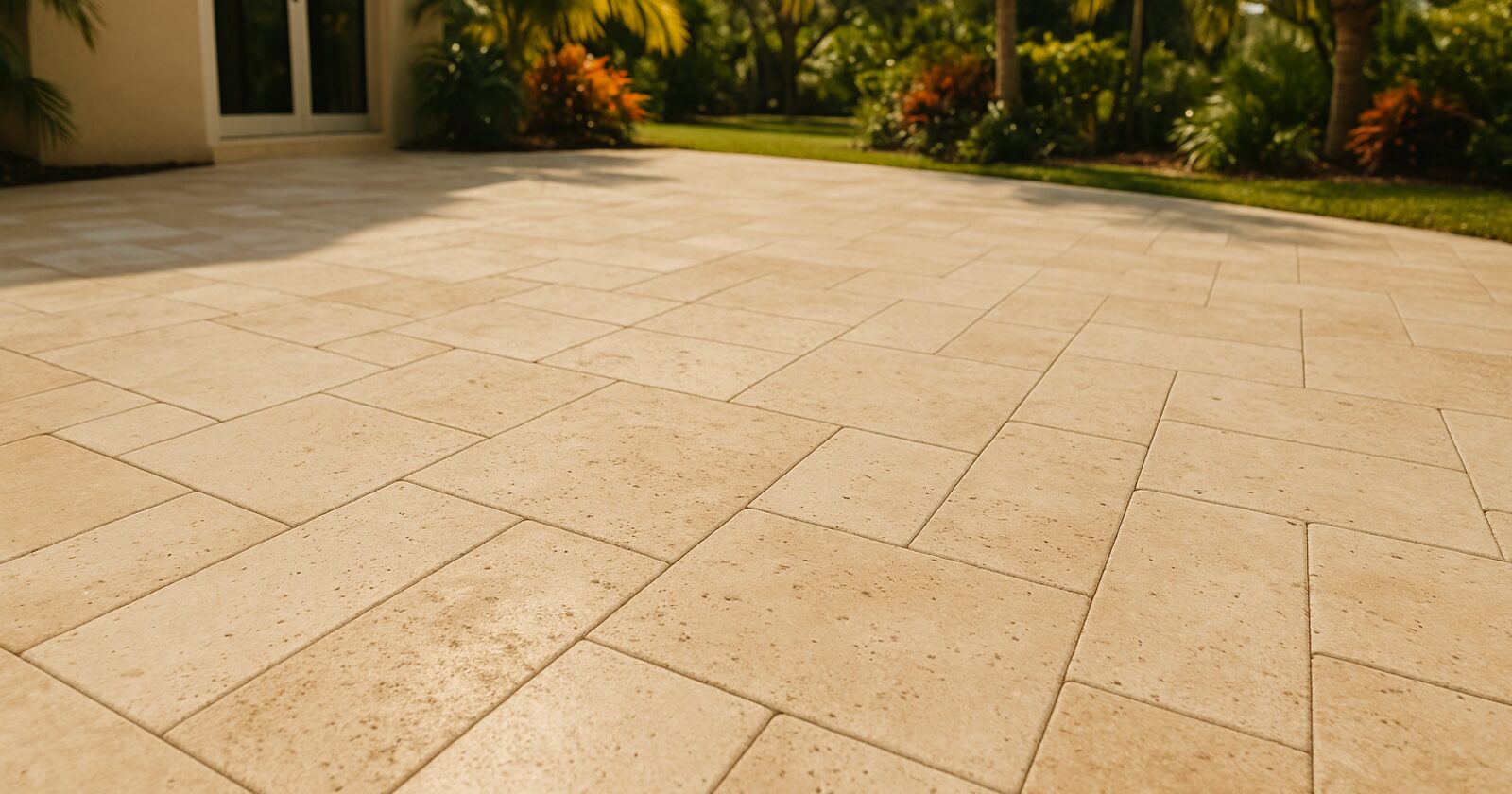
Travertine Cleaning & Sealing
Specialized cleaning and sealing for travertine pool decks and patios that protects the stone without making it slick.
Learn more →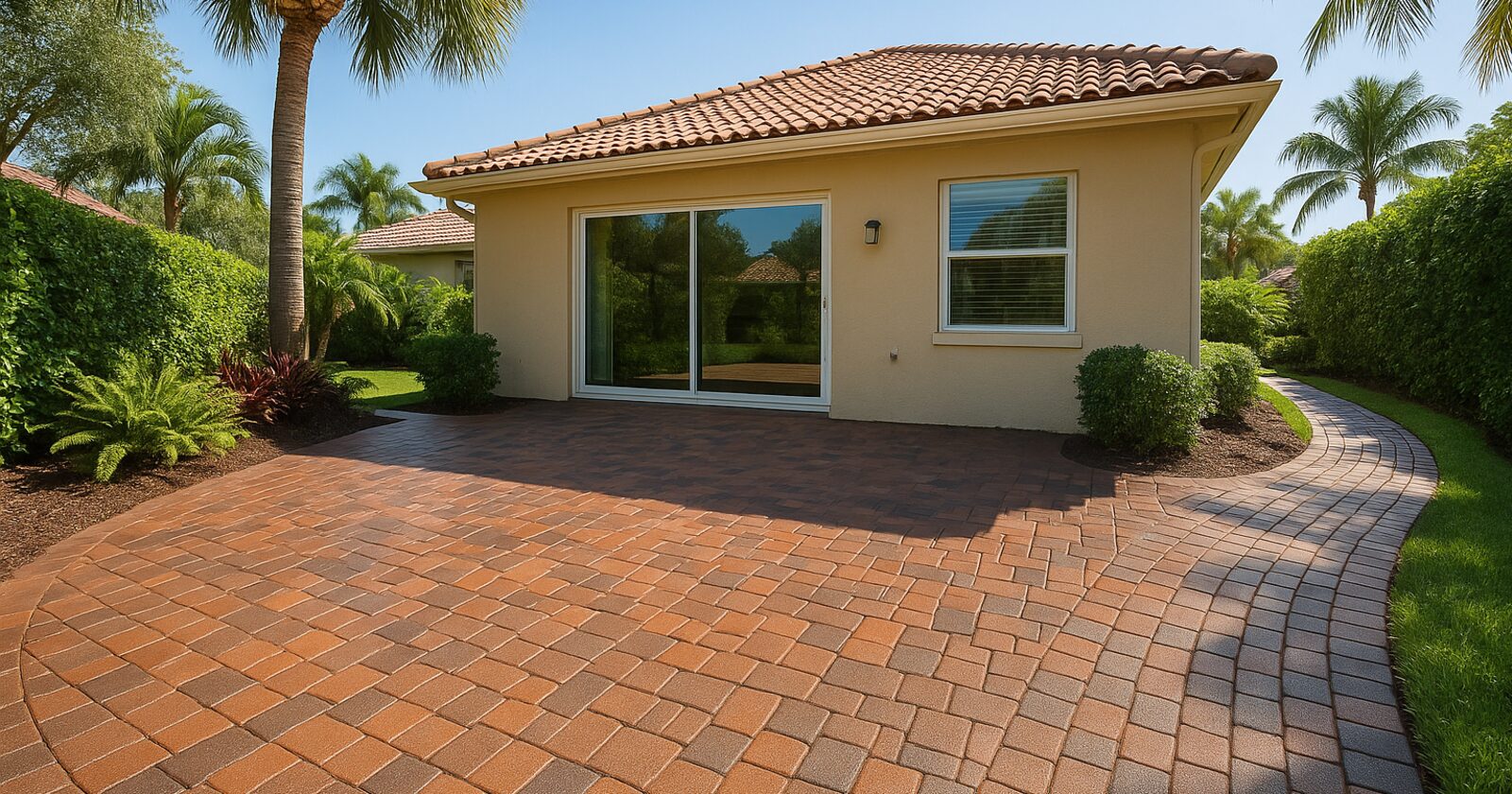
Paver Restoration & Re-Sanding
Bring a tired, weedy, or sunken paver surface back to life with re-sanding, minor releveling, and a fresh seal.
Learn more →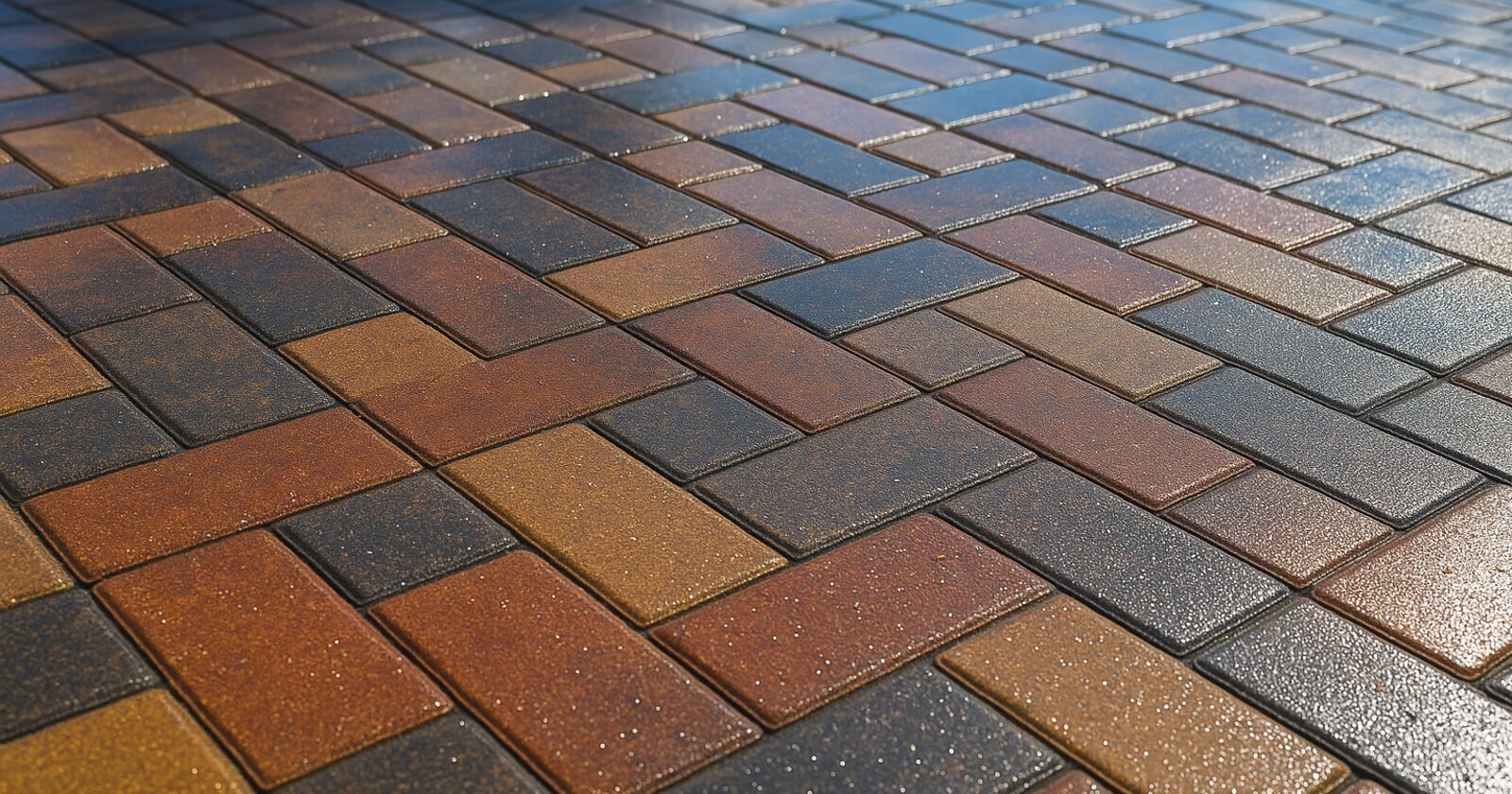
Paver Cleaning & Pressure Washing
Professional cleaning that safely strips mold, algae, rust, and grime from pavers without blasting the joint sand out.
Learn more →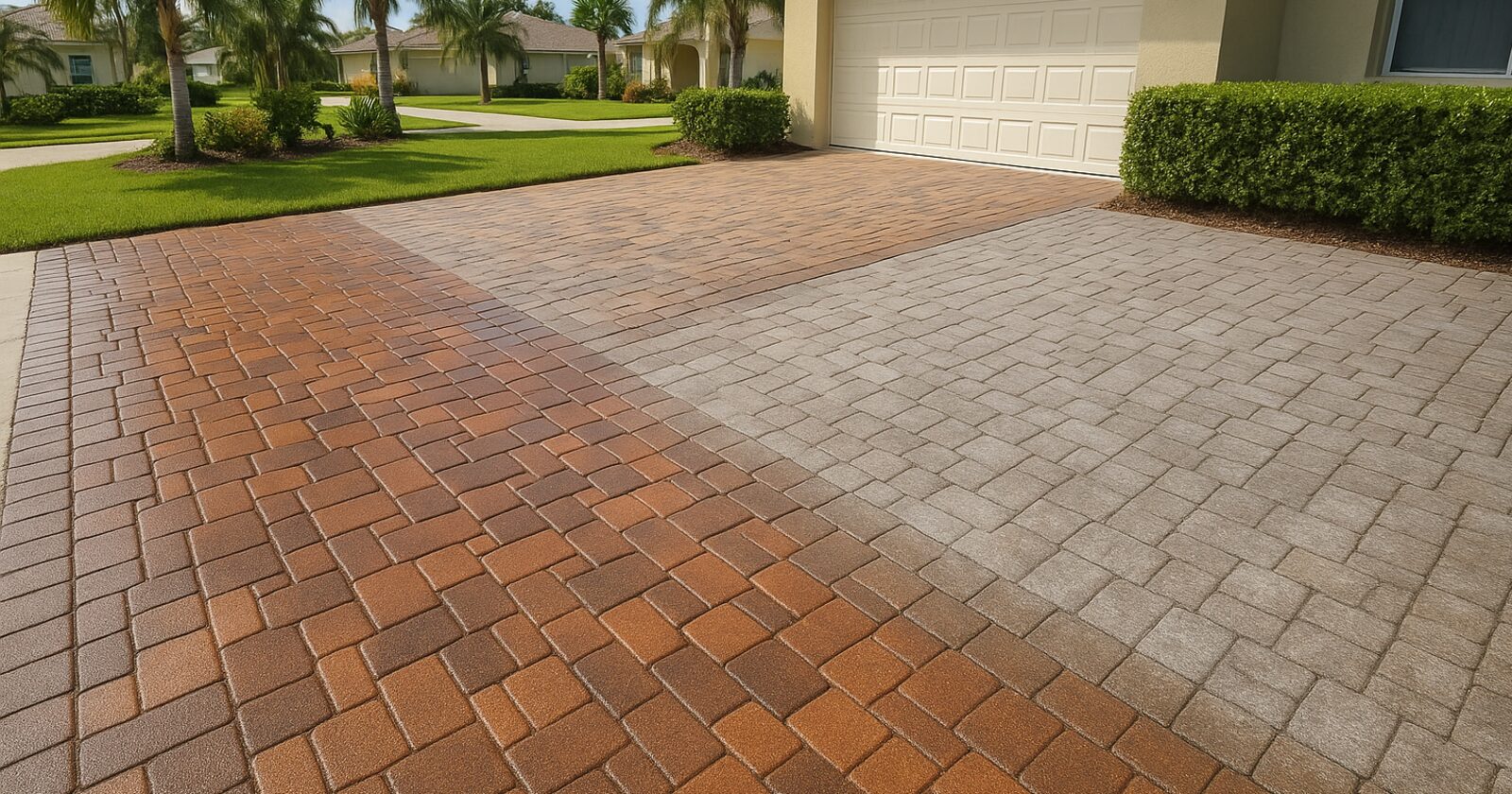
Sealer Stripping & Re-Seal
Remove old, failed, cloudy, or peeling sealer and start fresh with a clean, correctly applied coat.
Learn more →Before & after
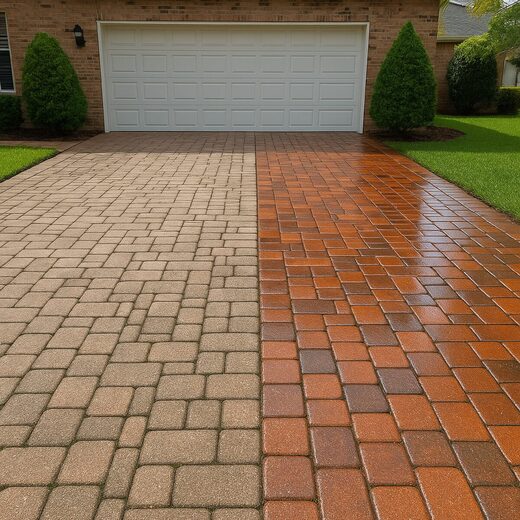
The difference a proper seal makes
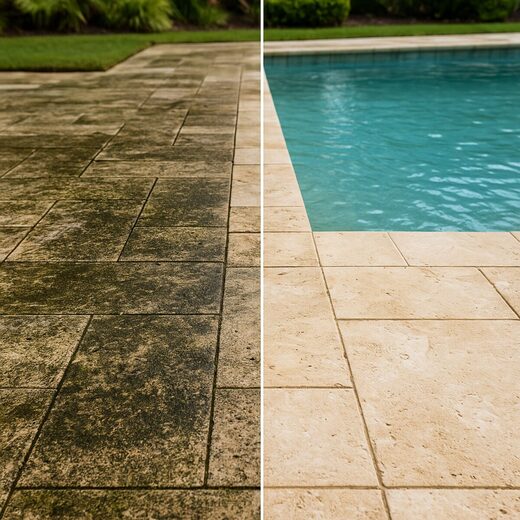
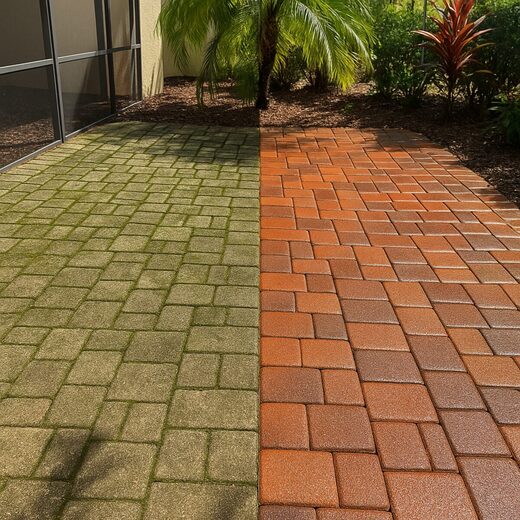
Same pavers, restored and sealed. Dry and faded on the left, cleaned and sealed on the right.
Frequently asked questions
- How often do pavers need to be resealed in Florida?
- In our climate, plan on resealing every two to three years, which is sooner than the three-to-five years you'll see quoted nationally. Intense Gulf-coast sun, heavy summer rain, year-round humidity, and constant algae pressure break sealer down faster here. Driveways and pool decks that get full sun or heavy splash-out are on the shorter end of that range, while shaded walkways can go a little longer. We'll tell you honestly where your surface stands when we look at it, rather than pushing you into work you don't need yet.
- How much does paver sealing cost in the Sarasota area?
- Most jobs land in the range of about $1 to $3 per square foot, so a standard driveway typically runs somewhere from around $750 to $4,500 and a pool deck or lanai from about $875 to $6,000, depending on size and condition. The variables are square footage, how much cleaning and re-sanding the surface needs, and whether old failed sealer has to be stripped first, which adds labor. We give you a firm written quote before any work starts, never a surprise at the end.
- Is sealing pavers actually worth it?
- For most homeowners here, yes. Sealing locks the joint sand in place so ants and weeds stop taking over, it protects the surface from oil, rust, and stains, it slows the mold and algae that our humidity feeds, and it brings the color back to sun-faded pavers. It also makes routine cleaning far easier. The one honest trade-off is that sealing is a repeat maintenance item every couple of years, but the alternative is bare pavers that fade, shift, and grow green much faster.
- What's the difference between a natural and a wet-look finish?
- A natural (or matte) finish protects the pavers while keeping them looking close to their original, non-shiny appearance. A wet-look (or gloss) finish deepens and enriches the color and leaves a noticeable sheen, as if the pavers are permanently just-rained-on. Both use quality sealer and both protect the surface; it's purely a look preference. Wet-look shows off rich colors beautifully but can be slightly more slippery when wet, so for pool decks we usually steer people toward a matte or low-sheen option. We'll show you examples before we start.
- Can you seal brand-new pavers?
- Yes, but timing matters. Newly installed pavers should cure and let any efflorescence (the natural white mineral haze that can rise to the surface) work its way out before sealing, which usually means waiting a few months to about a year depending on the install. Sealing too early can trap that haze under the coating. If your pavers are new, we'll assess whether they're ready and, if not, tell you when to circle back rather than seal them prematurely.
- Do you clean the pavers before you seal them?
- Always. Sealing dirty pavers just locks the mold, algae, and grime in permanently, so a proper cleaning is part of every seal job we do. We deep-clean the surface at the correct pressure, treat any organic growth or stains, and re-sand the joints before a drop of sealer goes down. If old failed sealer is present, we strip that too. The prep is most of the work and it's the difference between a seal that lasts and one that fails in a year.
- What is polymeric sand and why does it matter?
- Polymeric sand is a joint sand blended with binders that harden when activated with water. Swept into the gaps between pavers, it sets firm and locks the pavers together, which resists weeds, ants, and washout far better than plain sand. Our summer downpours wash regular joint sand out fast, so re-sanding with polymeric sand is a key part of restoring a paver surface. We replace the joint material as part of most seal and restoration jobs.
- Will sealing stop weeds and ants coming up between my pavers?
- It dramatically reduces them. Weeds and ants exploit loose, washed-out joints, so re-sanding with polymeric sand and then sealing over the top closes those gaps and stabilizes the joints. It's not a chemical weed killer, so it's not a forever guarantee against every sprout, but in practice a properly re-sanded and sealed surface goes from constant weeding to almost none. Keeping the seal maintained on the recommended cycle is what keeps it that way.
- How long does the sealer take to cure before I can use the surface?
- It depends on the product, the temperature, and the humidity, but as a general guide you can usually walk on the surface within about 24 hours and drive on a sealed driveway after roughly 48 to 72 hours. Pool decks and heavy-use areas benefit from the longer end. We'll give you exact times for your job and the weather that week, and we plan the work so the surface has a dry window to cure properly.
- My old sealer looks cloudy and white. Can you fix it?
- Yes. A white or cloudy haze usually means the previous sealer trapped moisture or was applied too heavily, and it won't clear up on its own. We chemically strip the failed sealer, clean and fully dry the pavers, and re-seal with the right product applied at the correct coverage. Fixing a bad seal job is one of the most common calls we get, and it's very fixable once the old coating is properly removed.
- Do you seal travertine, or only concrete pavers?
- Both, but we treat them differently. Travertine is a natural stone that needs a breathable, penetrating sealer so it doesn't trap moisture and flake, and it needs a gentler cleaning approach than concrete pavers. Using a paver-style topical sealer on travertine is a common mistake that causes problems. We use the correct stone-safe products so your travertine stays protected, natural-looking, and safe underfoot.
- Is sealed paver deck slippery around the pool?
- It doesn't have to be. A high-gloss wet-look sealer can be slick when wet, which is why for pool decks and lanais we recommend a matte or low-sheen finish, and we can add a slip-resistant additive to the sealer for extra grip. Done right, a sealed pool deck is no more slippery than an unsealed one and is far easier to keep clean. We'll always talk through the finish before we seal a wet area.
- Do I need to be home when you do the work?
- Usually not for the work itself, as long as we have access to the area, water, and a place to discuss the finish beforehand. Many of our customers are seasonal or absentee owners, and we're used to coordinating around that, sending photos of the before-and-after and keeping you updated remotely. We'll confirm the details, the finish choice, and access when we schedule.
- What areas do you serve?
- We serve Sarasota and Manatee County, including Lakewood Ranch, Wellen Park, Sarasota, Bradenton, Venice, Nokomis, Palmer Ranch, Parrish, Osprey, Longboat Key, Siesta Key, North Port, and Englewood. If you're nearby and not sure whether you're in our area, just ask when you request a quote.
- How long does a typical paver sealing job take?
- Most residential jobs are completed in one to two days. The first phase is cleaning, stripping any old sealer, and re-sanding, which needs the surface to dry before sealing, and then the sealer is applied and left to cure. A large driveway plus a pool deck, or a job that needs heavy restoration or sealer stripping, takes longer. We'll give you a realistic timeline with your quote and schedule around a dry-weather window.
- Does the sealer come with any kind of warranty?
- Yes. Because we prep every surface properly and apply quality, correctly-rated sealer, we stand behind the work with a workmanship warranty, and many customers keep their surfaces on a simple maintenance plan so the seal is refreshed before it fails. We'll go over the specific coverage for your job in writing. What we won't do is over-promise a finish that lasts forever, because in this climate honest maintenance beats a warranty that ignores the sun and rain.
- When is the best time of year to seal pavers in Florida?
- The drier, less humid stretch from roughly fall through spring is ideal, because sealer needs a dry surface and a dry window to cure, and our summer afternoon storms make that harder. That said, we work year-round and simply plan around the weather, sealing when there's a clear window. If you're thinking about it, getting on the schedule ahead of the rainy season or before season, when your home fills up with guests, is the smart move.
Get started
Request a free quote
Tell us what you need. No pressure, and a real person gets right back to you.